


Nine out of ten buyers and sellers would use their agent again or recommend their agent to others.
Author: stallion-admin
Leverage your home’s equity into rental property


There can be many reasons homeowners aspire to have their home paid for. They can include no mortgage payments, financial security, debt reduction, lower expenses, retirement planning, financial freedom, legacy planning, no risk of foreclosure, and reduced stress, just to name a few.
All those things have a cost attached to them which is the loss of the earning power which is tied up in an asset that only benefits the owner by appreciation. In the past few years since the pandemic began, homeowners have experienced a dramatic increase in equity due to appreciation.
As an example, let’s set up a comparison of how the yield on equity decreases as the property appreciates. A homeowner has a debt-free home worth $400,000 that is expected to appreciate at 4% a year for the next five years. The future value of the home would be $486,661 and the owner would have earned a 4% return on his investment in the property.
In scenario #2, the homeowner refinances the property today for 80% of its value at 7% interest for 30-years. At the end of the five years, the property is still worth $486,661 and his unpaid balance on the mortgage would be $338,874. The $80,000 equity would have grown to $147,787 earning him an annual return on investment of 13.06%. The leverage of the borrowed funds caused the owner in this example to triple his yield.
Let’s not forget the $320,000 cash out that the owner received when he refinanced the home. If that was invested in rental real estate, he may be able to buy three to four more properties with 80% mortgages and increase his yield even more.
There is a lot more to a total analysis of a situation like this because rental properties have income and tax advantages that are not relative to a principal residence. What is possible for the homeowner with this type of asset in their home, is to free up a major portion of the cash and reinvest it.
Having equity gives a homeowner many benefits including financial freedom and security, peace of mind, and the option to pull money out, tax free, to invest in rental property to increase their wealth position.
To learn more about rental property, download our Rental Income Properties and then, schedule a time when we can get together to explore options. We can start with a Home Equity Review to see what kind of funds may be available based on the current value of your home and its unpaid balance and then talk about how rental property could help you with your financial goals.
Adapting to Life’s New Chapters


All of us encounter major life events and they have the possibility of disrupting our lives temporarily, if not permanently. The homes we live in may have met our needs originally but due to a change in our life, it may no longer be adequate or the best fit for us, which will require a move. The decision to change one’s living situation often comes as a response to these pivotal moments, and the reasons behind such changes can be as diverse as the events themselves.
The number of things that can influence these changes is numerous. It may be the birth of a new child, or the ages of the children are getting such that you simply need more room.
Marriages generally merge two households into one. The possibilities are endless, but it could be two single people or two single parents each with children who need the right space to blend the families.
A promotion, transfer, or a new job could require a change in housing, or maybe just make it more convenient to move closer to where a person is working.
Countless numbers of people have moved as a result of health issues. It could be to get away from the altitude, or to a drier climate, or to a more rural area where life is simpler. The death of a spouse can be the impetus for the move.
Empty nesters and retirees have the freedom to make changes to their housing that will better adapt to their new lifestyle. The time may have come to seek a cozier, more manageable abode that suits the evolving needs of empty nesters. It may or may not lead them to a new city or state, but it can certainly include a different size or style home than they have currently.
These are just a few examples of how major life events can set the stage for changes in housing. If you are considering a move for one of these reasons now, you will probably think about it at some point. We can help you through today’s market, talk about timing, and guide you through the decision-making process.
We want to be your trusted agent, ready to support you finding your dream home as you start this new chapter in your life. Take the first step, when the time is right, by connecting with us.
House-Hacking your way to multi-unit rentals
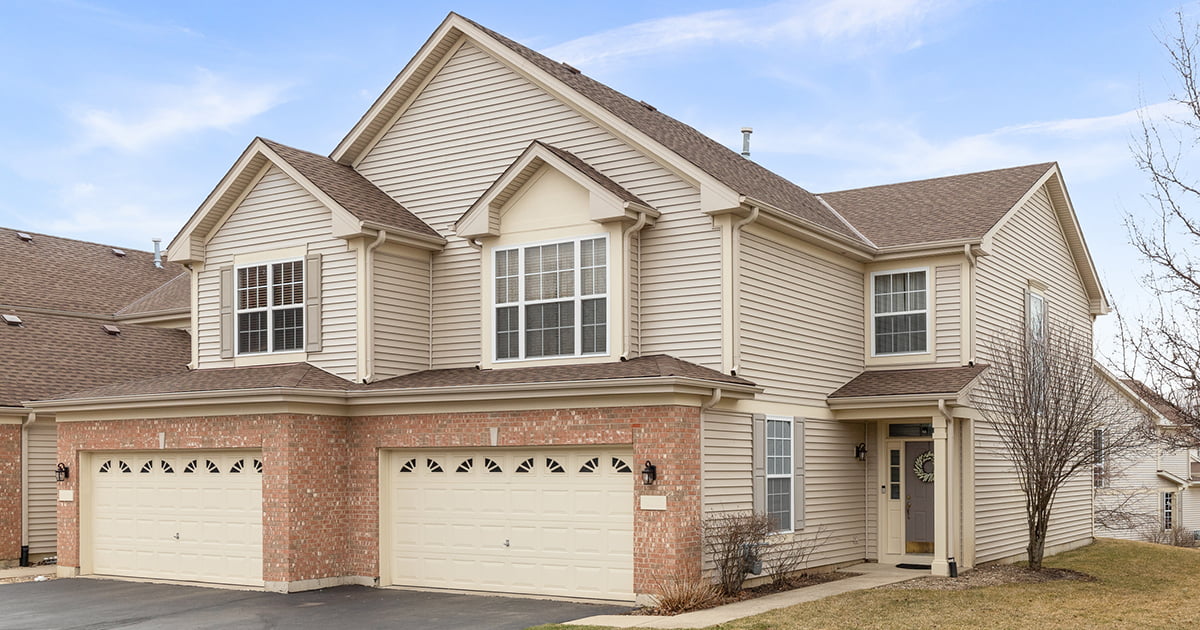

House-hacking refers to buying a multifamily property on an owner-occupied mortgage, living in one unit and renting the others. If you’re thinking about becoming a rental mogul, starting early is an advantage. Not only will you have longer to accumulate a larger portfolio, but you can also increase the leverage on the first owner-occupied acquisitions.
Leverage is the use of other people’s money to finance an investment. The higher the loan-to-value, the greater the leverage which can increase the yield. The lower down payment gives the investor more leverage which can increase the return on their investment.
FHA, VA, Fannie Mae, and Freddie Mac each have programs for buying owner-occupied two-to four-unit properties with the same minimal down payment required for a single-family home. The advantage is that non-occupant investors must have a 20-25% down payment where the owner occupant is much less.
A qualified veteran could get into the first property with no down payment. FHA only requires a 3.5% down payment. And owner-occupants seeking to buy a multi-unit property with a conventional loan would need 5-10% down payment.
As an example, let’s say there is a 2-unit property selling for $500,000. A non-owner-occupant investor would need to make a minimum down payment of $100,000. Whereas an equally qualified investor who was going to live in one of the units, would only be required to make a $17,500 down payment on an FHA loan or $25,000 to $50,000 on a conventional owner-occupied loan.
The difficulty is that there are not a lot of two-to-four-unit properties. In some cases, they may be older properties in older neighborhoods. With some searching, you might be able to find lots with the right zoning and get a builder involved.
It is certainly worth investigating to find out what is available in your area and surroundings.
Rental properties offer the investor an opportunity to borrow large loan-to-value mortgages at fixed interest rates for up to 30 years on appreciating assets with tax advantages and reasonable control that many other investments don’t enjoy.
Some people consider rental properties the IDEAL investment with each letter in the acronym standing for a benefit it provides. It provides income from the rent which many investments do not have. Depreciation is a non-cash deduction from income that increases cash flow. Equity buildup occurs as each payment is made by reducing the principal owed. Appreciation happens over time as the value of the property increases. L stands for leverage that was explained earlier in this article.
The key to making this work is to be an owner-occupant in one of the units. After a reasonable period of time, you may be able to buy another four-unit as an owner-occupant before you need to start using a normal investor’s down payment.
In the meantime, you could have eight units that are increasing in value while the mortgage balance is decreasing with every payment made. If there is sufficient equity in the properties by the time you’re ready to buy more units, you may be able to take cash out of the existing ones to use for the down payments.
This can be a great way to turbocharge your net worth by becoming an owner and a real estate investor at the same time. To learn more about rental properties, download the Rental Income Properties guide and/or contact me at to schedule an appointment to meet to answer your questions and discuss the possibilities.
Gulf Breeze Homes: January Statistics
The relationship between homeownership and net worth


During the span between 2019 and 2022, the COVID-19 pandemic significantly disrupted both society and economic activities. Nevertheless, the latest Survey of Consumer Finance, which has recently been unveiled, highlights widespread enhancements in the financial well-being of American families during this timeframe, especially concerning their net worth.
The median net worth of homeowners increased 37%, after adjustment for inflation, between 2019 and 2022. This is the largest three-year increase in the history of the modern Federal Reserve Board’s triennial survey dating back to 1989 and more than twice the next largest one on record.
The survey showed increases in both median and mean net worth were near universal across different types of families, grouped by either economic or demographic characteristics.
For families who owned a home, the median net housing value, the value of the home, less secured debt, increased 44% between the same three-year period. The median homeowner has a net worth of $396,000 compared to approximately $10,400 for renters making the net worth of a homeowner 38 times the household wealth of a renter according to the latest data.
Housing wealth, in this study, represented on average approximately 75% of the total assets of the lowest income household. In the middle-income distribution, housing wealth represents between 48% and 74% of total assets. For the top 10% of the income distribution, the wealthiest households’ share was 33%. The study suggested that as income and net worth increases, the diversification of investments increases.
Even though there was significant increase in the value of homeowners’ property during this period, the debt secured by the residential property was relatively unchanged and the median amount of this debt decreased by less than one percent to $155,600 in 2022. During the same period credit card debt was stable.
Odeta Kushi, deputy chief economist at First American, summarized by saying "For the majority of households that transition into homeownership, the most recent data reinforces that housing is one of the biggest positive drivers of wealth creation in this country."
Starting in 2022, mortgage rates more than doubled the rates during the fall of 2021 and continued to rise throughout 2022 and most of 2023 to the high 7% range which the market had not reached for 30 years. This rate affected buyers’ affordability and challenged a belief that rates would stay low since they had been for over ten years after the Great Financial Crisis.
While homeownership is still a major part of the "American Dream", would-be buyers are having to adapt to the higher rates. And even if rates moderate during 2024, the low housing inventory experienced across the country will continue to increase prices which favors current homeowners. It could take years to reach a balanced market.
The challenged buyers should remember that homes have appreciated 5.56% annually for the last sixty years. The average mortgage rate in the same period is 7.74%.
Based on the impressive margin that homeowners have 38 times more net worth than renters and that the contributing factor is the home’s equity, Buyers who can financially afford to buy now should investigate exactly what it will take to get into a home now.
Download our Buyers Guide.
The relationship between homeownership and net worth

During the span between 2019 and 2022, the COVID-19 pandemic significantly disrupted both society and economic activities. Nevertheless, the latest Survey of Consumer Finance, which has recently been unveiled, highlights widespread enhancements in the financial well-being of American families during this timeframe, especially concerning their net worth.
The median net worth of homeowners increased 37%, after adjustment for inflation, between 2019 and 2022. This is the largest three-year increase in the history of the modern Federal Reserve Board’s triennial survey dating back to 1989 and more than twice the next largest one on record.
The survey showed increases in both median and mean net worth were near universal across different types of families, grouped by either economic or demographic characteristics.
For families who owned a home, the median net housing value, the value of the home, less secured debt, increased 44% between the same three-year period. The median homeowner has a net worth of $396,000 compared to approximately $10,400 for renters making the net worth of a homeowner 38 times the household wealth of a renter according to the latest data.
Housing wealth, in this study, represented on average approximately 75% of the total assets of the lowest income household. In the middle-income distribution, housing wealth represents between 48% and 74% of total assets. For the top 10% of the income distribution, the wealthiest households’ share was 33%. The study suggested that as income and net worth increases, the diversification of investments increases.
Even though there was significant increase in the value of homeowners’ property during this period, the debt secured by the residential property was relatively unchanged and the median amount of this debt decreased by less than one percent to $155,600 in 2022. During the same period credit card debt was stable.
Odeta Kushi, deputy chief economist at First American, summarized by saying “For the majority of households that transition into homeownership, the most recent data reinforces that housing is one of the biggest positive drivers of wealth creation in this country.”
Starting in 2022, mortgage rates more than doubled the rates during the fall of 2021 and continued to rise throughout 2022 and most of 2023 to the high 7% range which the market had not reached for 30 years. This rate affected buyers’ affordability and challenged a belief that rates would stay low since they had been for over ten years after the Great Financial Crisis.
While homeownership is still a major part of the “American Dream”, would-be buyers are having to adapt to the higher rates. And even if rates moderate during 2024, the low housing inventory experienced across the country will continue to increase prices which favors current homeowners. It could take years to reach a balanced market.
The challenged buyers should remember that homes have appreciated 5.56% annually for the last sixty years. The average mortgage rate in the same period is 7.74%.
Based on the impressive margin that homeowners have 38 times more net worth than renters and that the contributing factor is the home’s equity, Buyers who can financially afford to buy now should investigate exactly what it will take to get into a home now.
Download our Buyers Guide.
Pace Florida: New Homes, Homes Under 200,000. Subdivisions
Why You Should Build a New Home in Santa Rosa County
Santa Rosa County is located in the western part of the sunny state of Florida. It was named after the Catholic Saint Rose of Viterbo and is known as one of the most beautiful counties in the area. The county comprises the area from Navarre in the east to Gulf Breeze, boasting some amazing beaches along the coastline. Although it primarily serves as a bedroom community to those who work in Pensacola, the county has much to offer to its residents!
Although small in size, Santa Rosa features both vibrant cities and tranquil communities. Some major cities include Milton, the county seat, and the city of Gulf Breeze. The area boasts a vibrant economy centered on tourism and services and the major employers in Santa Rosa include Wal-Mart, Santa Rosa Medical Center and Publix. What makes Santa Rosa so special, however, are its beaches! The stunning coastline offers some true gems such as the Navarre Beach, where one can enjoy all the benefits of the subtropical sunny climate to the fullest. Residents can enjoy swimming, boating, fishing and surfing here. And those keen on nature will be thrilled by the Navarre Beach State Park, which is the hot spot for biking, birding, hiking and snorkeling, as it features great trails and three artificial reefs. Another great place for relaxation is the Choctawhatchee National Forest.
The county offers reliable public and private schools, as well as the Milton Campus of the University of Florida, a notable national institution of higher education. Santa Rosa also boasts crime rates that are considerably lower than the state average, along with some reliable public services. Every individual will be able to find something for himself in Santa Rosa’s five amazing communities! And if you are looking for new homes, consider some of the major builders in Santa Rosa, including Emerald Homes and Holiday Builders.
Do you need help finding the perfect new home in Santa Rosa County, FL? Not only does NewHomeSource.com provide you with the largest portfolio of new home listings on the Internet, but we also allow you to narrow down your real estate search based on price, bedrooms, amenities, schools, property types, and many other filters. To help you gain a better understanding of what to expect when buying a new construction home, check out all of the articles and videos in our Learning Center.
The top attractions to visit in Pace are:
Pace, Florida. Pace is an unincorporated community in Santa Rosa County, Florida. It is the second-largest community in Santa Rosa County and is a part of the Pensacola Metropolitan Statistical Area. Wikipedia.
Population: 21,898 (2020)
ZIP code: 32571
Area code: 850
Newest Listings In Pace Florida
Things To Do/ Places To Visit In Pace Florida
Looking to buy Click Here to see our inventory of homes listed or do your search as often as you like.
Looking to Sell your home Click Here for a Free Appraisal and a Guide On Selling Your Home in the current market.
Need to sell your home before you buy and afraid of having two payments Click Here and receive an instant offer today to see if it works for you.

Bottom Line “There Is A Realtor For That”
Buying or Selling while living on the Gulf Coast
Sign up for our Monthly Real Estate Newsletter
We are Ambassadors for all things Pensacola, Pace, or Gulf Breeze, Florida whether a first-time guest or a frequent visitor when you need to know something, an excellent place to eat, who’s hiring or just a real estate question do as the locals do call or text Charles Stallions at 850-476-4494 or email [email protected] It’s Who We “R”.
Pensacola Real Estate: What Are Buyers Wanting And Saying!
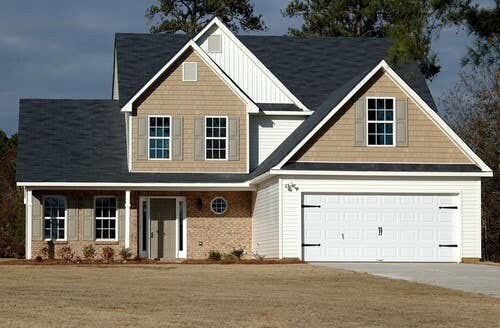
Primarily a safe place to live in Florida and Pensacola is that, making it a great place to move to with your family. The majority of people moving to Pensacola come from other areas in Florida or New York, Chicago, and Boston in search of single-family homes, apartments, and waterfront homes and stay because of the affordability. Some places within Pensacola are Gulf Breeze, Oriole Beach, East Hill, and Belmont-DeVilliers. Although all of Pensacola is known to be safe, Ferry Pass North, Mallory Heights, Pensacola Station, and Paradise Beach are some neighborhoods that are named for their extra safety.

Click Here For The Newest Listing In Pensacola Florida and the surrounding area.
https://www.visitpensacola.com/ is as up-to-date as one can get on the area’s happenings.
Looking to Sell your home Click Here for a Free Appraisal and a Guide On Selling Your Home in the current market.
Need to sell your home before you buy cause of the fear of having two payments Click Here and receive an instant offer today to see if it works for you. Many times, we can offer more but either way, we can come to an agreement 99.3% of the time with an offer meeting your needs.

Unique Ways to Research a Neighborhood Before Buying a House

Are you thinking of buying a home in Florida? Before you start searching for your dream home, it’s essential to do some research on the neighborhood you want to live in. After all, the location is just as important as the property itself, if not more so, being it is the one thing you can’t change about any property. But how to research a neighborhood before buying a house? We’ve consulted real estate experts from Florida, and here are some unique ways to get to know a neighborhood and make an informed decision.
How to research a neighborhood before buying a house?
The location of a home is often considered one of the most important factors when deciding where to live. Your neighborhood can significantly impact your satisfaction with your home, which can be a crucial factor in your buying decision. After all, buying a Florida home is one of the most significant investments, so you want to ensure you make the right call.
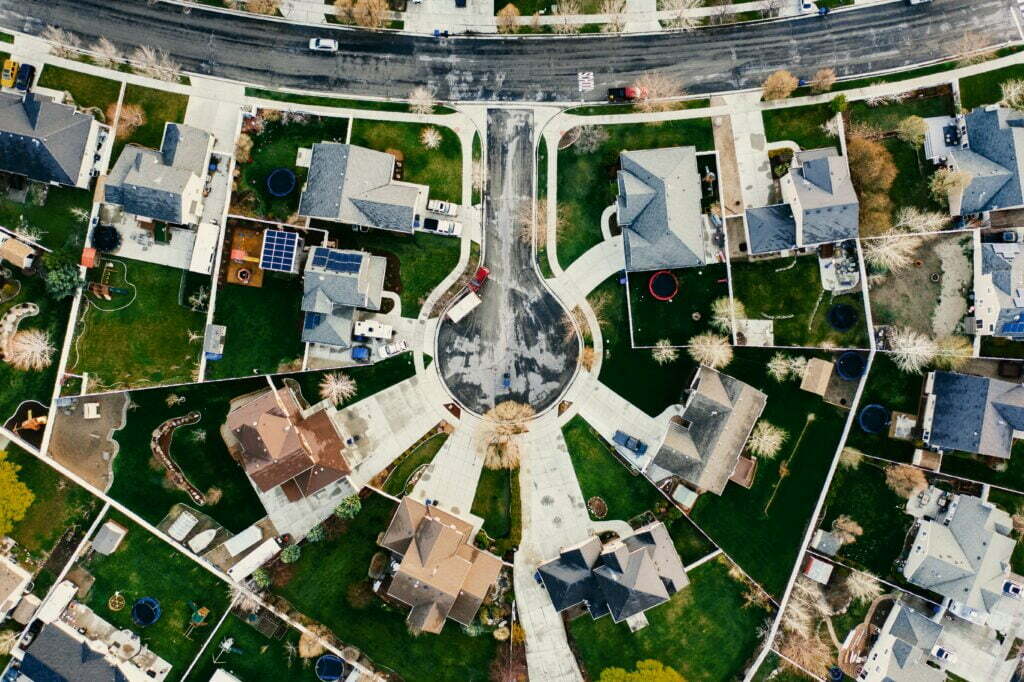
While it’s difficult to fully understand a place until you’ve experienced living there, researching a neighborhood beforehand can help you avoid any potential regrets later on. Taking the time to learn about a neighborhood before committing to living there can save you many future headaches. Here are five unique ways to research a neighborhood before buying a house that will help you make sure you’re making the right decision.
#1 Research neighborhood ratings by zip code
When it comes to researching neighborhoods, there are many online resources available that can provide valuable insights. Websites like AreaVibes.com and Niche.com allow you to see data points and resident reviews for specific areas. These platforms can provide helpful information, such as neighborhood ratings by zip code, which can be a valid starting point.
It’s always a good idea to do your homework before making a significant decision like purchasing a home, especially if you’re in for long distance moving in Florida. The last thing you want is to rely on an expert team and organize a move across the country only to realize you’ve chosen a completely wrong neighborhood for you. So before making concrete plans, such as hiring movers, research the neighborhood online first.
#2 Explore the neighborhood on foot
One unique way to research a neighborhood is by visiting it in person and exploring it on foot. That can give you a much more realistic sense of the area and allow you to see things that may not be visible through online listings. Even if you’re moving to a different city or part of Florida, try to visit and research the neighborhood when attending open houses.
A tool like Walk Score can also help determine a neighborhood’s walkability. That can be a valuable indicator of the convenience and accessibility of local amenities. A high walkability score means you’ll likely be able to get around quickly on foot, while a low score may indicate a more car-dependent area. By spending time in a neighborhood in person, you can get a feel for the area and see if it’s the right fit for you.
#3 Research schools and daycare providers
If you have young children, it’s essential to research the local schools and daycare options in your new neighborhood. Good education and reliable childcare can be crucial factors in your decision to move to a particular area.

GreatSchools.org is valuable for finding local schools’ curricula, reviews, and athletics program ratings. In addition, you can use some childcare apps to find reputable daycare providers in the area. By taking the time to research these options beforehand, you can ensure that your family has access to the resources they need to thrive in their new neighborhood.
#4 Check the community website
Did you know that nearly every town and municipality has its dedicated website? While not all these sites are packed with information, they can still provide valuable insights into local parks and recreation, community events, and governing bodies.
If the neighborhood’s website doesn’t have much information, consider contacting community leaders through email or phone. They may be able to provide you with more information or point you toward additional resources. This way, you can better understand what a neighborhood offers and determine if it’s the right fit for you.
#5 Pay attention to crime rates
When buying a home, the neighborhood’s safety is an important consideration, especially if you have children. Therefore, it’s crucial to research the neighborhood’s crime rates before making final decisions. Websites like CityProtect.com and CrimeGrade.org can provide valuable information about crime rates in different neighborhoods.

Remember that it’s crucial to consider population density when interpreting crime data, as higher-density areas may have higher crime rates. It’s also worth remembering that no city is entirely safe. However, by researching crime statistics, you can get a sense of the overall safety of a neighborhood and determine if it’s a suitable place for you and your family.
Wrapping up
Given that your home’s location is the one thing you can’t change, it’s crucial to thoroughly research a neighborhood before buying a house. Otherwise, you might end up with a case of buyer’s remorse, and that’s the last thing you want to experience, especially when making such a significant investment. Reach out to Florida’s real estate pros to ensure you end your home-buying process happy and satisfied with your decision. They’ll understand your wants and needs and, based on them, help you find a Florida home that’s perfect for you.