Charles Stallions Real Estate Services Inc.

Missed Opportunities Are Far More Likely

Kts0dmo3cU61b5cS7mulzQ.jpg

If you’ve been sitting on the sidelines, waiting for mortgage rates to drop back below 4% before making a move, it’s time for a reality check. While we all loved the historically low rates of 2020 and 2021, those numbers were driven by extraordinary global circumstances, not typical market trends. And expecting them to return any time soon could lead to missed opportunities that may cost you far more in the long run.

During the height of the pandemic, global economic uncertainty prompted aggressive action from the Federal Reserve, which helped drive mortgage rates to record lows. In January 2021, the 30-year fixed rate bottomed out at 2.65%, the lowest in Freddie Mac’s recorded history, which dates back to 1971. But that wasn’t a normal market. It was a response to an emergency.

Looking at the big picture, the average 30-year mortgage rate over the last 60+ years has hovered around 7.74%. Even today’s rates, currently in the mid 6% range, are below that historical average. In other words, we’re not in a high-rate environment; we’re back in a normal one.

The danger in holding out for rates to drop back to those pandemic lows is that the market isn’t standing still. While you’re waiting, home values continue to rise due to ongoing appreciation, and every mortgage payment you’re not making is equity you’re not building. Between market appreciation and amortization (the reduction of loan principal with each payment), today’s buyers are building thousands of dollars in equity every year.

Let’s say home prices rise by just 5% annually, a fairly conservative estimate based on recent years. A $400,000 home could cost $420,000 or more just a year from now. That extra $20,000 increase easily outweighs any potential savings from a slightly lower mortgage rate. And if rates do dip slightly, competition will likely surge leading to bidding wars and driving prices up even more.

So, whether you’re a first-time buyer or looking to move up, the smarter question isn’t “When will rates drop?” …it’s “What will waiting cost me?”

Today’s market offers opportunities, but they won’t last forever. By acting now, you can start building equity, take advantage of current rates while they’re still below the historical norm, and avoid the risk of rising prices and tighter competition. The bottom line: Don’t let yesterday’s rates stop you from building tomorrow’s wealth.

House Hack Your Way to Homeownership

1JGixMfl2UWu7iD9DjwSvQ.jpg

"What if your next home came with built-in income? Discover how living in one unit and renting out the others could slash your housing costs and build your wealth at the same time."

When most people think about buying a home, they picture a single-family house. But there’s another option that could make homeownership more affordable and help you build wealth faster, buying a small multi-unit property.

FHA, VA, and conventional lenders allow qualified buyers to purchase up to a four-unit property if they live in one of the units. That means you could buy a duplex, triplex, or fourplex, move into one unit, and rent out the others. The rental income from your tenants can help offset your monthly mortgage payment, often making your housing cost less than if you bought a single-family home.

This can be a game-changer because of:

  • Lower monthly cost: Rental income helps cover your mortgage, taxes, and insurance.
  • Forced savings: Part of every payment reduces your loan balance (amortization).
  • Rising values: If the property appreciates over time, you build equity on the entire building, not just your unit.
  • Future investment potential: You could eventually buy another owner-occupied multi-unit property and keep the first one as a full-time rental. Over time, this can grow into a valuable real estate portfolio.
  • Flexibility: Later, you might choose to tap into your equity to purchase a single-family home while keeping your rental properties as income-producing assets.

Not every neighborhood has multi-unit properties for sale, so you may need to broaden your search. And while you don’t have to be a professional landlord to start, you should be comfortable with the idea of managing tenants or hiring a property manager.

If you’re open to living in one unit and renting out the rest, this strategy, often called "house hacking, can be a smart way to make homeownership more affordable and build wealth at the same time.

Example: How Rental Income Can Lower Your Housing Cost

Let’s say you buy a duplex for $450,000 using an FHA loan with 3.5% down.

  • Your monthly mortgage payment (including taxes & insurance) might be around $4,287.
  • If you can rent one unit for $2,500.
  • Your out-of-pocket cost is $1,800 a month to own the property and live in one side.

Instead of paying full price for a single-family home, your tenants help pay the bulk of the bill while you’re building equity and benefiting from appreciation on the entire property. Tax advantages to the rental unit includes deducting maintenance and depreciation.

(Numbers are for illustration only; actual costs and rents will vary by property, location, and market conditions.)

If you’d like to explore multi-unit properties in our area and see how the numbers might work for you, let’s talk! You can also download our Rental Income Properties.

Why Working with Local Pensacola Realtors Makes All the Difference

Local Realtors Pensacola, FL

Purchase or sale of property within Pensacola is not just a deal. It is a life-altering event that entails financial, essential choices, and feelings. This is why it can be a big difference to cooperate with local Pensacola realtors. No one knows the beat of the region, the way of life, and the market trends as well as they do.

Localized Knowledge You Can Rely on

Pensacola realtors will provide you with a team of locals who breathe the local market. They are aware of the neighborhoods that are on the upward trend, the best schools, and property prices. This is valuable knowledge that a Pensacola, FL, realtor takes to each deal. It means that you will not lose your time in pursuit of properties that do not suit your objectives.

Besides, realtors in Pensacola, FL can comfortably identify red flags, which foreigners can overlook. They are aware of the zoning codes, the building codes, and the neighborhood rules. Their advice will save you thousands on whether it is your first home or a commercial property investment.

Interpersonal Relationships Are Important

A realtor in Pensacola, FL, is not merely a salesman. They are your local people. The lenders, home inspectors, appraisers, and contractors, among others, are in good standing throughout the community. Such relationships accelerate the purchase or sale.

As an example, you are in need of an immediate property appraisal or an efficient repairman, Pensacola realtors will know who to call. It takes years of work and living in Pensacola to have such a level of trust and network.

What You Can Learn about Neighborhoods That You Can’t Find Online.

Square footage and price can be displayed on an online listing, but not the actual character of the neighborhood. The realtors in the local area in Pensacola, FL, are aware of the information needed, such as traffic, school popularity, beach accessibility, and even the noise levels in different seasons.

A realtor in Pensacola, FL, can lead you to neighborhoods that you are comfortable with. They know where to find still waterfront living or a downtown atmosphere. Their advice ensures that your investment will not only look right, but it will also go right.

Strong Negotiation Skills

Negotiation is an art in real estate. It is an art that is learned by the local realtors in Pensacola and requires a great deal of experience and knowledge of the market. They are aware of the prices the buyers will pay and the sellers will accept. Since they monitor the market trends on a daily basis, they are able to be accurate when pricing the properties and negotiate confidently.

A commercial realtor in Pensacola, FL, will make sure that you receive the best value when representing you. They protect your interests all the way through, whether it is a business negotiation or a retail space purchase.

Local Advantage in Commercial Real Estate

The commercial market of Pensacola is special. A commercial realtor in Pensacola, FL, will get you on the inside track and get you off-market deals. Such specialists know about the zoning, pedestrian traffic, and prospective development. They are able to recognize high-potential areas before other people do.

As an investor or an entrepreneur, you need to collaborate with a Pensacola, FL, realtor specializing in commercial properties. They’ll assist you in locating the properties that suit your business needs and budget.

Fast Track Process and Rapid Results

Buying or selling real estate is stressful. However, realtors in Pensacola, FL make the trip easy. They deal with paper code, scheduling, and communication, and make everything in order. Delays are minimal since they are aware of the local systems and individuals.

Selecting the people of Charles Stallions Real Estate Services is a guarantee that the process will be smooth from the start. They have a team of professional local Pensacola realtors who have decades of local experience. They do not merely sell homes; they develop relationships arguably founded on trust and outcomes.

Profound Marketing Understanding

The rhythm of any city is given, and Pensacola is not an exception. Pensacola, FL, realtors will learn seasonal variations, the demand of the buyers, and how the community is going to develop. This will enable them to anticipate changes in the market.

A realtor in Pensacola, FL, is also a commercial realtor who monitors economic factors and business growth. They are aware of the regions that are getting commercial and the ones that are decelerating. This understanding can assist investors and entrepreneurs in making intelligent decisions.

Personalized Advice to Each Customer

No two clients are alike. That is the reason why Pensacola realtors tailor their strategy. They make changes to suit your objectives, whether you are moving, upgrading, or investing. They are knowledgeable about the emotional and monetary aspects of real estate.

Listening attentively and giving direct feedback, a Pensacola, FL, realtor makes one feel that they have your back during the process. They are not only out to make deals, but they are determined to leave behind satisfied and long-time clients.

Developing Trust and Long-term Relationships

The realtors in Pensacola, FL, are local, and they flourish on reputation. They work in the communities they live in, and therefore, your satisfaction means their credibility. Their operation is expanded by word-of-mouth referrals and their regular customers.

An honest business agent in Pensacola, FL, believes in honesty and openness. They do not pressure you, but point you in the right direction. That is the mark of local service, commitment that continues outside the transaction.

Real Estate In the Community of Your Town.

Everything depends on the presence of the right ally in a competitive market. Local Pensacola realtors have area knowledge, contacts, and negotiation abilities that produce excellent results. They transform complicated transactions into better deals.

By partnering with Charles Stallions Real Estate Services, you will be dealing with the best realtors in Pensacola, FL. They have a team of experts who are willing to make you a success, be it in residential or commercial.

10 Things to Check Before Buying a Boat Slip in Pensacola FL

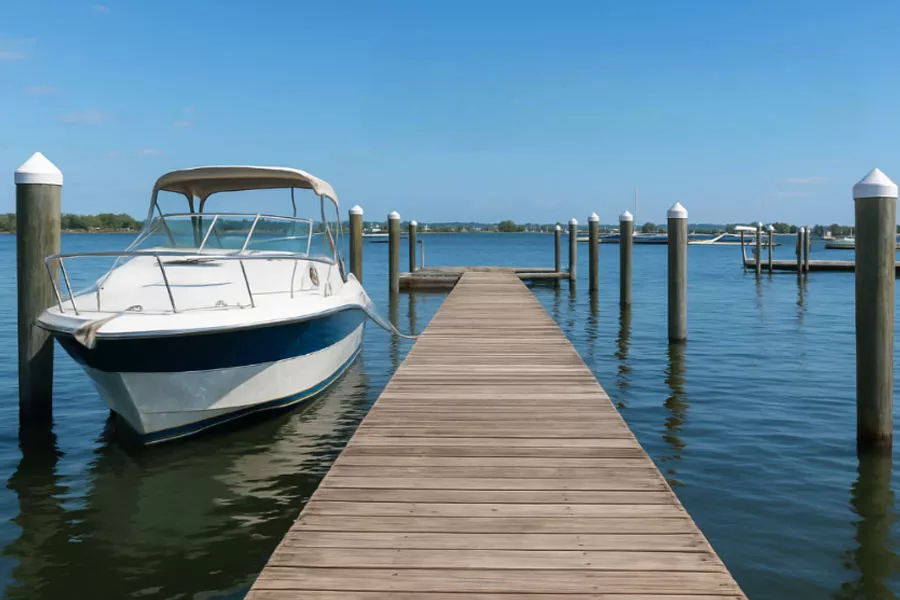
Boat Slip in Pensacola FL

Owning a boat in Pensacola, FL, offers unmatched access to crystal-clear waters and endless sunshine. However, before you buy a boat slip, you must check every detail carefully. Choosing the right location, pricing, and amenities will help you enjoy worry-free boating. Here are the top ten things to review before signing any agreement—with insights trusted by Pensacola realtors, Pensacola FL realtor professionals, and realtors in Pensacola FL experts alike.

1. Location and Accessibility

The first factor is the slip’s location. You want a marina that’s easy to access by road and water. Many Pensacola realtors suggest checking traffic routes, parking areas, and nearby facilities. In case you are far, identify a marina near your preferred boating routes. An effective Pensacola, FL, realtor will get you alternatives that will fit your style and comfort.

2. Water Depth and Tides

Check the depth of the slip and surrounding waters. Some areas in Pensacola have shallow zones during low tide. Your boat must fit safely without grounding. Experienced realtors in Pensacola FL recommend verifying tidal charts before finalizing a purchase. Discuss this with a commercial realtor Pensacola FL if you plan to use your boat for charters or business.

3. Ownership Terms

Boat slips can be owned, leased, or rented. Ownership comes with more rights but also more responsibilities. Ask Pensacola realtors for documentation and understand HOA fees or marina association costs. A Pensacola FL realtor will guide you through contract terms to prevent unexpected issues.

4. Maintenance and Security

Maintenance and security of the marina should be of the first order. Moreover, inquire about the marina having 24-hour security, CCTV, and dock care. Additionally, ensure the facilities are in good condition to secure your investment. Realtors in Pensacola, FL, would visit locations to ensure that everything is fine first-hand. Therefore, a trustworthy commercial realtor Pensacola FL can compare multiple marinas to find the safest option.

5. Amenities and Services

Look at such facilities as gas stations, washrooms, showers, and local restaurants. Other marinas also provide boat cleaning, Wi-Fi, and maintenance. As one of the Pensacola realtors stated, premium amenities would add to the value of the slips. Banks always inquire of your Pensacola, FL, realtor what marinas will offer the best price/comfort blend.

6. Insurance and Liability

Insurance requirements must be known before purchasing. There are marinas where all boats must be covered by liability. Ask your agent about these details. Realtors in Pensacola FL often collaborate with insurance providers to get accurate information. A commercial realtor Pensacola FL can also guide you on insurance if your boat supports business operations.

7. Future Development Plans

The waterfront in Pensacola keeps on rising. Do research before investing in future projects in the area. The construction in the future has the ability to affect slip value or boat access. According to Pensacola realtors, zoning regulations and development permits should be checked. Experienced Pensacola, FL, realtor assists in the determination of long-term potential properties.

8. Weather and Storm Safety

Pensacola has a tropical climate that implies the presence of hurricanes and storms. Determine whether the marina has storm preparation services or covered docking space. Talk to realtors in Pensacola FL about storm history in the area. A commercial realtor Pensacola FL can recommend marinas with proven safety measures and hurricane-resistant designs.

9. Resale and Market Trend

Just like homes, boat slips can appreciate in value. Therefore, study market trends before buying. Moreover, ask Pensacola realtors for comparable sales data. Additionally, the best Pensacola FL realtor will help you identify high-demand marinas that promise better resale potential. Finally, Pensacola, FL, realtors tend to follow local price trends and can approximate the returns on investment.

10. Community and Environment

Another thing to do is to discover the community by the marina. Beautiful neighbors and an unpolluted environment add to your boating pleasure. Pensacola has marinas that have colorful communities and environmental management systems. Ask your commercial realtor in Pensacola, FL, to know of marinas that promote sustainable practices.

Purchasing a boat slip is not just the question of convenience but lifestyle. You desire a place that would suit your boating activities, security considerations, and future aspirations. Be it a new boat owner or a seasoned sailor, hiring Pensacola realtors or a trusted Pensacola FL realtor or experienced realtors in Pensacola FL, it makes the process easier and more secure.

At Charles Stallions Real Estate Services, we believe smart investments come from smart information. Whether its analyzing marina markets or promoting real estate online, we help individuals and businesses make confident, data-driven choices. Let us guide your next investment move in Pensacola and beyond.

Delay Gratification Now for greater Rewards Later

-rA0g7sHvEaIRDpWFATt8w.jpg

There’s a classic example used in behavioral psychology: the marshmallow test. In this experiment, children were given a choice: eat one marshmallow now, or wait a little while and get two. The lesson? Those who could delay gratification tended to experience greater success later in life.

That same principle applies beautifully to homeownership.

If your ultimate goal is to one day have your home completely paid off, the question becomes: are you willing to make small sacrifices now so you can reap bigger rewards later? Or will you choose comfort and consumption today and carry the financial burden of a mortgage into your retirement years?

Making regular additional principal payments on your mortgage is one of the smartest forms of delayed gratification. It’s not glamorous. It means driving the same car a little longer, skipping that expensive vacation, or resisting the urge to upgrade your lifestyle with every raise. But those steady, disciplined extra payments�say $100 to $200 each month�can shorten your loan by years and save you tens of thousands of dollars in interest.

More importantly, it puts you on track to own your home outright.

Imagine reaching retirement without a house payment. Your monthly expenses drop dramatically, giving you more flexibility and freedom. You may not need as much in retirement savings. You could choose to work less, travel more, or simply breathe easier knowing that no one can take your home from you.

On the flip side, choosing not to delay gratification, maxing out your lifestyle, refinancing to take cash out, or simply making minimum payments, can mean carrying a mortgage into your 60s or 70s. When many people want to slow down and enjoy the fruits of their labor, they’re still stuck paying for yesterday’s choices.

The marshmallow test isn’t just about kids and candy. It’s about life and how we make financial decisions. A little patience now, a little extra toward your mortgage each month, can lead to a lifetime of reward.

So, ask yourself: will you wait for two marshmallows later? Or settle for just one now? The path to a paid-for home starts with the power of delayed gratification. Use our Equity Accelerator calculator to make projections to pay your home off sooner.

The Hidden Tax Trap Costing Homeowners Thousands

UuPpmGNEdkOsXomKgXgV7w.jpg

Through a 28-year lens, tax policies on home sales haven’t kept pace with rising home values. That’s putting homeowners in a bind and stifling real estate opportunities across the board.

Since 1997, the capital gains exclusion on the sale of a primary residence has remained unchanged at $250,000 for individuals and $500,000 for married couples. Back then, the average U.S. home cost about $145,000. Today, that same home sells for around $422,600, up a staggering 191%. But the tax break hasn’t budged, squeezing homeowners who have earned significant appreciation over decades.

Housing economists refer to this as the "Stay-Put Penalty" since tax-free profit has a capped limit, many homeowners are discouraged from selling, even after years of significant appreciation. Research shows that 34% of homeowners (about 29 million people) have already surpassed the $250,000 single-filer threshold, and over 10% have exceeded the $500,000 joint-filer cap according to a recent NAR study. That means the longer you stay, the more you’re likely to owe tax on more than the exclusion, penalizing success and freezing inventory.

In high-cost states like California and Massachusetts, this trend is even more extreme: by 2035, over 40% of homeowners in 20 states could be hit with capital gains taxes simply for having built wealth.

With long-term homeowners locked in place, there’s a ripple effect throughout the market. Inventory thins, competition heats up, and prices climb, locking out first-time buyers and families hoping to upgrade.

Meanwhile, a 2024 Gallup poll underscores real estate’s strength: Americans ranked property as the best long-term investment, ahead of stocks, gold, and bonds, for the 11th consecutive year. It’s a powerful signal: even with tax limits, Americans still trust real estate’s enduring value.

The National Association of REALTORS� is backing the bipartisan More Homes on the Market Act, aiming to:

  • Double the exclusion to $500,000 for individuals and $1 million for married couples
  • Index it to inflation
  • Encourage more homeowners to sell without tax penalties

Homeownership should be a pathway to wealth, not a locked door. Letting equity accumulate only to tax it away runs counter to the American dream. Updating these tax rules would unlock much-needed housing stock, empower older homeowners, and open doors for younger families.

It’s time for a tax code that rewards, not restricts, the promise of homeownership.

For more information, download our Homeowners Tax Guide and IRS Publication #523.

Short-Term Rentals in Pensacola: Rules, Profits & Risks

Short Term Rentals in Pensacola

Pensacola attracts travelers all through the year. Long-beach seekers in summer, business guests for conventions, parents going to local universities, and many others visit Pensacola. As a result, more property owners than ever are noting all this. With flexible rules and steady visitor numbers, short-term rentals in Pensacola open the door to both healthy profits and a few challenges worth considering.

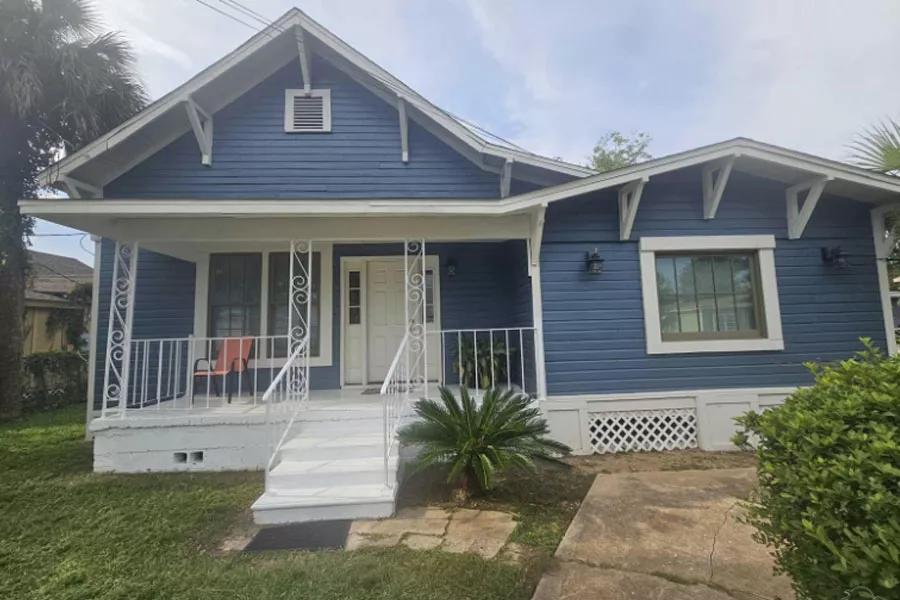
Houses for rent Pensacola

What Defines Short-Term Rentals in Pensacola

If you are new to this, you might wonder, “What counts as a short-term rental in Pensacola?” Simply put, any property in the city or Escambia County rented out for less than six months falls under the “short-term” umbrella. From condos overlooking the bay to a restored bungalow in East Hill, all are in the game. Typically, people show interest in booking them for vacation, work, or family events.

Pro Tip: Don’t rush to post your spare home or condo on real estate sites. First of all, get to know what is allowed in Pensacola. The city government keeps the latest list of rules, and it is good practice to check the zoning map. Also, do not forget that the restrictions on the beach are a little more difficult than the ones in the inland area.

Key Regulations All Owners Should Know

Let’s break it down. Rules make or break success for short-term rentals in Pensacola. Here’s what hosts have to handle:

  • Licensing First: Every owner must register with the Florida DBPR and Escambia County. There’s paperwork, a reasonable fee (think in the $50–$100 range), and, importantly, annual renewals.
  • Stay in Your Lane: Some zones don’t allow short-term rentals in Pensacola at all, so double-check this thing.
  • Safe and Sound: Got a second-story deck or balcony? Inspections every three years are needed. No exceptions.
  • Maximum Guests: The law says limit your guests; twelve at the absolute max, with two per bedroom (kids under six don’t count).
  • Taxes, Taxes: Yes, they’ll expect a cut. Hosts must collect and submit both state and county tourist development taxes. They are approximately 10% of every booking.
  • Noise: Quiet hours are no joke. Complaints from neighbors? The city will know.
  • Insurance: Basic homeowner’s insurance isn’t enough. Get vacation rental coverage to dodge headaches if something goes sideways.

Folks in the real estate scene remark on how certain areas, such as Downtown Pensacola, East Hill, etc., have become hotspots because the city enforces rules but also welcomes responsible hosts.

The Numbers: How Profitable Are Short-Term Rentals in Pensacola?

Profit isn’t a promise, but Pensacola’s best properties do well. Data from 2025 shows several factors playing a role:

  • According to Airbtics, the average daily rate hovers around $160, but for a premium cottage by the Gulf, that rate can spike to $250+ during June or July. When the Blue Angels put on their summer show, you might even wish you had a few more rooms.
  • Occupancy? It’s solid. Well-reviewed short-term rentals in Pensacola often book 62% of the year, with high-demand months selling out fast.
  • Overall, annual gross for an average two- or three-bedroom homeland is above $35,000. Top-tier hosts report $6,000 to $7,000 monthly during peak tourist season.

Here’s a Twist: Homeowners who jump in expecting a gold rush quickly learn that success comes from treating guests well, responding promptly, and updating décor often. Interestingly, many say the most rewarding reviews come from families making memories, especially those in walkable historic neighborhoods.

However, note that the rental demand surges near UWF graduations, local festivals, and beach volleyball tournaments. Locals familiar with the event calendar consistently out-earn absentee landlords.

Pensacola’s Neighborhoods: Where Demand Stays High

Location is everything. Generally, short-term rentals in Pensacola near Palafox Market, waterfront parks, or Pensacola Beach see the highest repeat business. Some seasoned owners say, “If people can walk to galleries, coffee, or sand, your occupancy rate jumps.”

Hot Zones:

  • Downtown: Nightlife, events, and historic flair keep travelers coming even in the off-season.
  • East Hill/North Hill: Mixing charm, walkability, and quiet. These spots attract families and professionals.
  • Pensacola Beach and Perdido Key: Pricier but nearly always full when the sun’s out.

What Risks Should Owners Carefully Weigh?

With opportunity comes risk. Some hosts in Pensacola felt blindsided by seasonal slumps, sudden city crackdowns, or an unexpected repair bill. Therefore, here are issues to look at closely:

  • Market Saturation: More listings mean tougher competition. Those who personalize their space with local art or provide extras (like bikes or a stocked pantry) pull ahead.
  • Rules in Flux: City councils sometimes adjust regulations with just weeks’ notice. Always have Plan B, just in case.
  • Off-Peak Gaps: It’s not all sunshine; January, November, and early December may keep your property empty.
  • Damage and Disputes: Not every guest plays by the rules, so strong policies (and responsive management) are must-haves.
  • Homestead Status: Renting your primary residence too often? You risk losing a Florida tax break that saves hundreds each year.

Some area managers recommend keeping a “rainy day” fund for repairs and lulls in bookings.

Maximizing Your Short-Term Rental Returns

Think like a local, act like a hotelier. That way, hosts thrive with short-term rentals in Pensacola. A few ideas from seasoned owners:

  • Welcome books with Pensacola tips, restaurant hours, and event calendars.
  • Regularly update photos and listing details. It is because shoppers prefer the latest info over stale posts.
  • Buy quality mattresses. After all, more five-star reviews can hinge on sleep than on views.
  • Stay on top of all city newsletters or real estate updates, so you never miss a zoning tweak or tax change.

Finally, professional support makes a difference. Charles Stallions Real Estate Services, right in Pensacola, guides owners every step; from first paperwork to long-term guest relationships. Locals choose them because they know the neighborhoods, the city, and the right contacts at city hall.

Unlock Your Property’s Potential: Let Charles Stallions Lead the Way!

Curious about whether your property could earn more? Are you trying to steer clear of expensive mistakes or simply want to have someone else take care of pressure? Then, reach out to Charles Stallions Real Estate Services for sincere counseling, customized strategies, and better understanding of the current situation about short-term rentals in Pensacola.

Pensacola: The Beach Town That Stayed Real

Houses for sale Pensacola

No-crowd white sand beaches, fresh seafood, and affordable houses – Who will say no to such a place? There is no better place than Pensacola because it has all three.

It is located just before the border of Alabama. The emerald-green water kissing its shores attracts everyone to post on Instagram. However, it is also home to Spanish forts. Here, Navy jets flip overhead, and neighbors still wave from their porches. The population of the metropolitan area is around 500,000, but the city is home to nearly 55,000 people. Small enough to feel like home. Big enough to have things to do.

The economy runs on more than tourists. Banks, hospitals, military bases, energy companies – they keep things firm year-round. When summer ends, the town doesn’t shut down. The weather stays sunny most days. Around 220+ days of sunshine per year. Summer storms roll through quickly, cool things off, and keep everything green. Average commute? Twenty minutes. The airport flies direct to nine cities. Pretty straightforward.

Homes for sell in Pensacola

Houses Don’t Break the Bank in Pensacola

Home prices sit around $264,000 right now. That’s down 3.6% from last year. Sellers are negotiating again. The crazy bidding wars cooled off. Cost of living runs 5% below Florida’s average. Four percent under the national number.

Starter homes begin at approximately $150,000. Real homes with yards located in fair neighborhoods. In the $200,000-$300,000 range, options include older homes upgraded beautifully, new construction houses with contemporary open layouts, or the simplest of all – townhomes for folks who just can’t stand mowing grass.

Water views cost more. So does historic downtown. But even those don’t hit Miami prices. Not even close. East Hill tops most people’s list. Old trees. Houses, both Victorian and Craftsman, are in a beautiful combination of styles. Not far from the shops and parks. A place where children can play with their bikes all around the neighborhood. Realtors say that homes in Pensacola sell quickly within the first few days they are on the market.

Pensacola Has Schools That Actually Teach

Escambia County School District runs 40 schools here. Gets a B rating overall. Test scores? Some of the highest in Florida. In 2023, two local students got perfect scores in the ACT. Out of 1.3 million nationwide applicants, only 3,000 got perfect scores. Everyone’s favorite West Florida High School of Advanced Technology focuses on STEM. Kids graduate with actual job skills, not just a diploma.

College options? Pensacola State College, located near the airport, offers more than 100 programs. Education in this college is quite affordable compared to that in other colleges. The University of West Florida sits six miles north with 13,000 students. It provides comprehensive programs in business and engineering. Many students commute from home and save money. In short, Pensacola offers good education without private school bills.

Pensacola Beach Life Without the Tourist Trap Feel

Pensacola Beach has white sand that squeaks underfoot. Clear water. No wall of high-rise hotels blocking the view. Gulf Islands National Seashore protects miles of coastline. The biggest protected seashore in the country. Finding an empty stretch of sand on a weekday? Easy.

Blackwater River runs clean and cold. Perfect for kayaking or floating on tubes. Big Lagoon State Park has trails and camping. City parks stay clean and maintained. Plaza Ferdinand sits downtown with an old Spanish fountain and shade trees. Concerts happen there. Weekend farmers’ markets. Nothing fancy, just works. The Blue Wahoos play minor league baseball downtown from spring through summer. Low-priced tickets, decent hot dogs. Enjoy!

Food Scene Runs Deeper Than Expected in Pensacola

Joe Patti’s has sold fresh seafood downtown for almost a century. Walk in, and it smells like the ocean. Grouper, snapper, shrimp, oysters – either caught that day or the night before. People line up every day because it is that good.

Downtown Palafox Street is packed with restaurants. Steakhouses for special occasions. Breakfast spots with killer biscuits and gravy. Vietnamese, Greek, Italian. Seafood dominates, but variety exists. Cordova Mall and Highway 90 have the usual chain stores. Downtown shops sell one-of-a-kind stuff. Art galleries. Vintage stores with actual vintage finds, not marked-up junk.

Pensacola Culture (Yes, Really)

Here’s something surprising: Pensacola has opera, ballet, symphony, an art museum, and a professional theater. Note that cities three times this size don’t have all five.

The National Naval Aviation Museum claims the title of world’s largest. Free admission. Over 150 restored aircraft from biplanes to fighter jets. Blue Angels practice there. People just show up and watch. The 1859 lighthouse still operates. Climbing 177 steps gets visitors to views worth the leg burn.

Foo Foo Fest takes over downtown every November for almost two weeks. Art, music, theater. Locals actually attend, which states that it is not just some tourist thing. Palafox Market runs Saturdays with 100+ vendors. Produce, crafts, jewelry. Gets packed but in a good way. Downtown architecture mixes Spanish colonial buildings with Greek revival banks and modern renovations. Everything stays low-rise. The sky stays visible.

Transportation in Pensacola Makes Sense

Interstate 110 runs straight downtown. Connects to I-10 north, reaching either coast. Highway 98 follows the southern edge toward beaches and state parks.

The Pensacola Bay Bridge leads to the beach. Backs up summer weekends like any beach bridge. Downtown works for walking. Coffee, lunch, drinks – all are available within blocks. Some folks bike everywhere. Buses cover main routes. The airport sits northeast of downtown. Direct flights to Atlanta, Dallas, Houston, and Charlotte. You can get pretty much anywhere with one layover.

Why People Actually Move to Pensacola

Pensacola doesn’t pretend to be what it is not. Military town. Beach town. A place with decent culture and good food at affordable prices.

Houses stay reasonable. Schools work. Food tastes real. People act friendly without forcing it. 2025 looks good for buyers because prices have cooled down, more houses are available, and sellers are willing to negotiate. Various options exist.

For families, Pensacola offers a safe neighborhood, good schools, and a lot of activities centered around kids. Talking about retirees, this place offers beach living without beach prices, no state taxes, and warm weather. Young professionals land jobs in aerospace, healthcare, and tech sectors. In Pensacola, the cost of living allows actual savings. The secret’s getting out, sure. But Pensacola’s still Pensacola. And that’s the whole point.

Smart Homeowner Tips

4HrsohgQDESlUSSnKvVT0g.jpg

1. Take Advantage of Homeowner Tax Benefits

  • Mortgage Interest Deduction: Deduct interest on up to $750,000 of acquisition debt (for loans after 2017).
  • Property Tax Deduction: Deduct up to $40,000 in combined state and local taxes (SALT).
  • Capital Gains Exclusion: Exclude up to $250,000 ($500,000 for married couples) in profit when selling a primary residence, if ownership and use tests are met.
  • Energy-Efficient Home Credits: Federal tax credits available for solar, heat pumps, insulation, windows, and more.

2. Lower Your Monthly Housing Costs

  • Refinance When Rates Drop: Consider refinancing your mortgage to reduce your interest rate and monthly payment.
  • Appeal Property Tax Assessments: If your home’s assessed value is too high, appeal to potentially lower your annual property taxes.
  • Bundle Insurance Policies: Save by combining home and auto insurance with the same provider.
  • Shop for Home Insurance Annually: Rates and coverage vary�review and compare policies regularly.

3. Reduce Utility Bills

  • Conduct a Home Energy Audit: Identify leaks, insulation gaps, and inefficient systems to cut energy waste.
  • Upgrade to Smart Thermostats: Save on heating and cooling with programmable or learning thermostats.
  • Switch to LED Lighting: Longer life, lower power consumption.
  • Seal Windows and Doors: Prevent drafts and reduce heating/cooling loss.

4. Maintain and Protect Your Investment

  • Regular Maintenance: Prevent costly repairs with scheduled inspections (HVAC, roof, plumbing, etc.).
  • Document Home Improvements: Keep receipts to add to your cost basis for tax purposes when selling.
  • Check for Hidden Water Leaks: Early detection prevents mold and expensive damage.

5. Use Your Home for Additional Income

  • Rent Out a Room or ADU (Accessory Dwelling Unit): Generate passive income.
  • Host Short-Term Rentals (where legal): Use platforms like Airbnb to offset mortgage costs.
  • Deduct Home Office Expenses: If you qualify, write off a portion of your home-related costs for business use.

6. Plan for Aging in Place

  • Invest in Accessibility Features: Lever-style handles, wider doorways, or a main-floor bedroom can improve safety and long-term livability.
  • Consider Reverse Mortgages: For older homeowners with substantial equity, this can provide supplemental income.

7. Improve Enjoyment and Resale Value

  • Enhance Outdoor Living Spaces: Patios, landscaping, and lighting can boost both daily enjoyment and curb appeal.
  • Renovate Smartly: Kitchen and bath updates often offer strong returns.
  • Paint and Refresh: A fresh coat of paint is one of the most cost-effective upgrades.

Are expiration dates necessary in offers?

8Ma2ceSNRkiY0qV1mv0VfQ.jpg

In real estate negotiations, it’s not uncommon for both buyers or sellers to include expiration dates on offers and counteroffers. These deadlines serve several important purposes that help keep the process efficient, transparent, and fair to both sides.

First and foremost, expiration dates create urgency. They encourage the other party to respond within a specific timeframe rather than leaving the offer open-ended. Without a clear deadline, one side could be left waiting indefinitely, which can cause unnecessary delays or lost opportunities.

Expiration dates also prevent stale offers from being accepted later. Real estate markets move quickly, and a buyer or seller’s circumstances can change rapidly. A buyer who submits an offer today may no longer be in a position to move forward a week later. The expiration ensures that all terms are current and that both parties are negotiating in real time.

From a strategic standpoint, expiration dates help maintain leverage. For example, a seller may give a buyer only 12 or 24 hours to respond to a counteroffer, encouraging them to make a prompt decision rather than shopping around or stalling. It keeps negotiations focused and moving forward.

Another key reason to include expiration dates is to limit exposure and manage commitment. In competitive markets, buyers may be considering multiple homes, and sellers may receive several offers. A defined expiration helps all parties manage timelines and make informed choices.

It’s also important to understand that any offer or counteroffer can be withdrawn at any time before it’s accepted, even if the expiration time hasn’t been reached. However, that withdrawal must be done in the same manner as the offer was made, ideally in writing, to ensure clear communication and avoid legal confusion.

For sellers, it’s critical to manage counteroffers carefully. If you have an active counteroffer with one buyer, you should withdraw that counteroffer in writing before accepting a new offer from someone else. Failing to do so could put you in a position where two different buyers believe they have accepted contracts, creating a potential legal conflict.

In short, expiration dates help clarify intentions, reduce risk, and keep negotiations on track. And understanding how to properly withdraw an offer or counteroffer is just as important. If you’re unsure about the timing or the process, always consult with your real estate agent or an attorney to ensure your rights are protected and the deal moves forward smoothly.